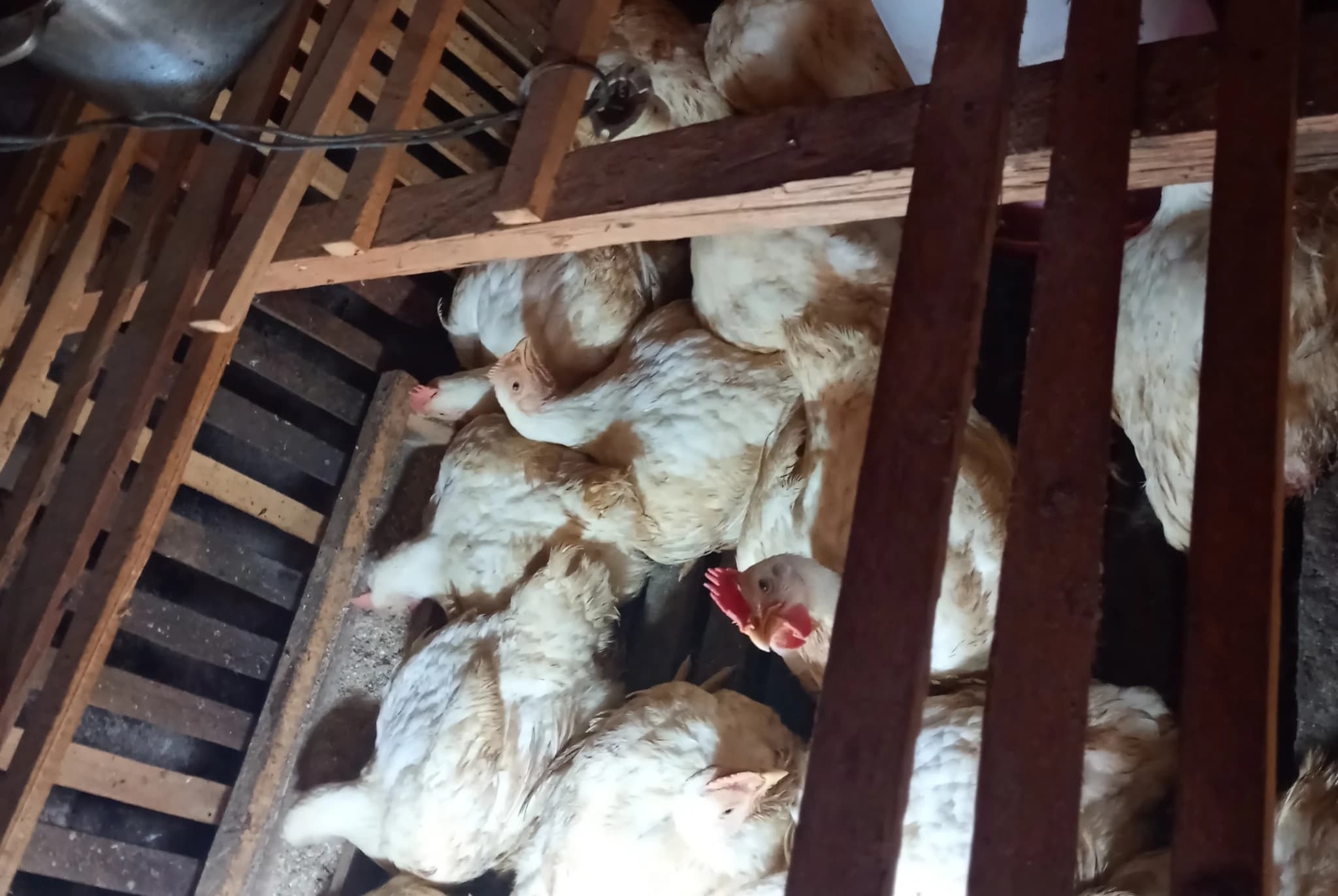
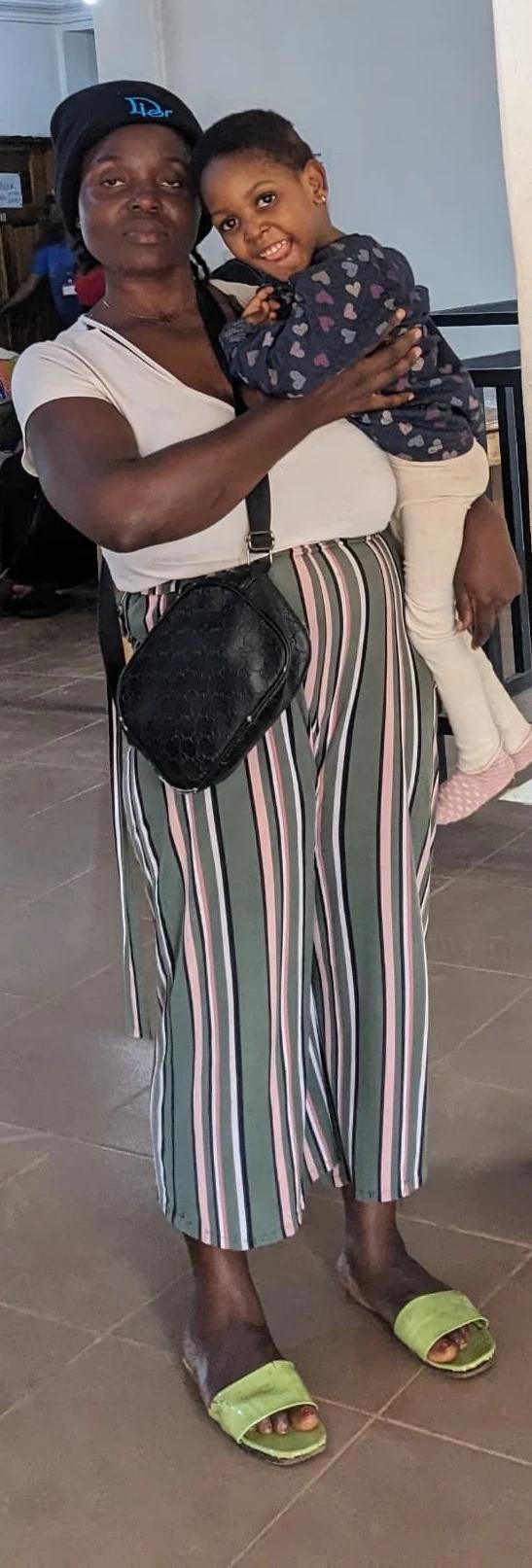
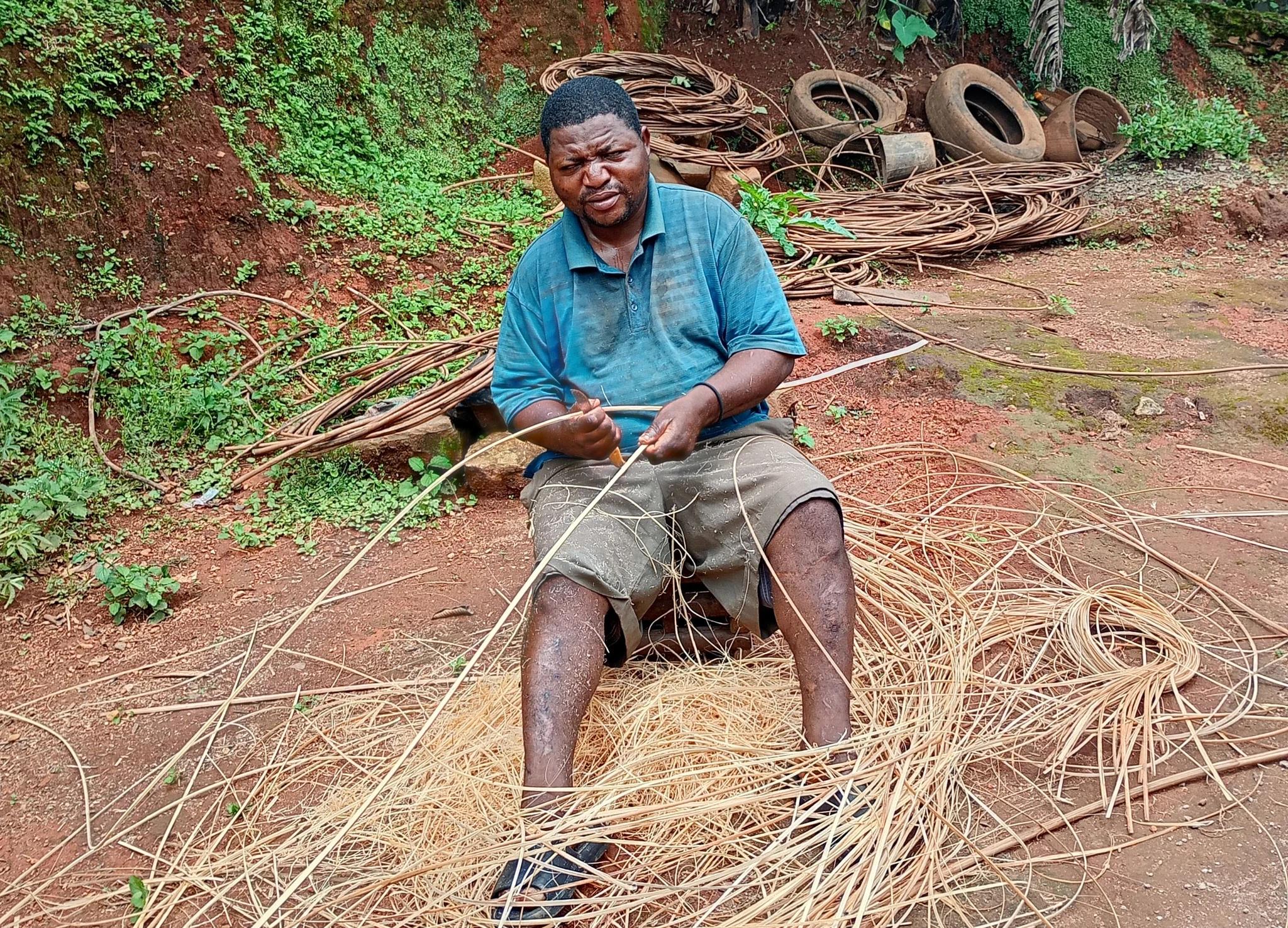
We visited four households on 3 September to hear how their poultry activities were going. Two households described active flocks and two had paused production. Families raised difficulties with rain, cold, damaged housing and theft. The visit recorded how the activities were going at that point.
On 13 August, we supported three of the four people scheduled for medical screening at the Regional Hospital Bamenda. The appointment was one step in their disability-card applications. We planned to follow up with the person who could not attend.
During our home visits, we discussed transport, assistive equipment and support for small livelihood activities. The report includes seven accounts of these visits.
With support from Bamenda City Council, we held a poultry training session for five participants on 3 January. We covered housing, feed, hygiene, marketing and record keeping. The training report records collection of chicks on 5 January.
Our January–December 2025 report brings together livelihood training, household follow-up, children’s participation, poultry inputs and community support. It records separate projects supported by Bamenda City Council and CDENO.
We held a follow-up meeting with four participants in the CDENO poultry project, prepared an implementation report for Bamenda City Council and continued seeking support for future work.
On 8 August, seven of ten shortlisted participants received poultry inputs through CDENO working with PULCCA. Each received 50 chicks, a bag of feed, two feeders and a drinker.
We monitored the later phase of the Bamenda City Council-supported livelihood project, continued home visits and submitted proposals for further youth support.
We joined activities for the Day of the African Child, celebrated locally on 14 June. Children took part in creative learning, performances and games, alongside community outreach.
In February, a veterinary technician followed up with households that had received poultry support in December 2023. The records describe feed costs, bird losses and advice on feeding, water and warmth. Some households reported sales, while others needed further attention.
A veterinary technician followed up on poultry activities, we welcomed a Social Affairs delegation and participants returned for further chicks later in the month.
On 4 January, a donation supported five participants. We encouraged them to consider sustainable small activities and discussed how the support might be used.
At our 24 June meeting in Musang, we reviewed activities and set priorities. We discussed continuing home visits, working on inclusion with schools, churches and cultural groups, developing partnerships and funding, and planning livelihood training.
We took part in the International Day of Persons with Disabilities, held our third Christmas event and organised poultry training supported by the North West Regional Assembly.
We participated in training on civil-status documentation and a discussion about inclusive education in the North West Region. These records describe learning and coordination with other organisations.
We followed up on documentation, met a CBC Health Services team, participated in a workshop and continued discussions with families about education and support.
Our September work included home visits, conversations about schooling, introductions to schools, documentation follow-up and preparation for vocational learning.
We planned a poultry project within the funding available, supported families through visits and facilitated a session on inclusive education for teachers.
We followed up with people starting small livelihood activities, visited households and reviewed our annual general meeting and plans for the next reporting year.
Our report covers July 2022–June 2023. It brings together community outreach, water and hygiene support, inclusive education, home visits, referrals and vocational learning.
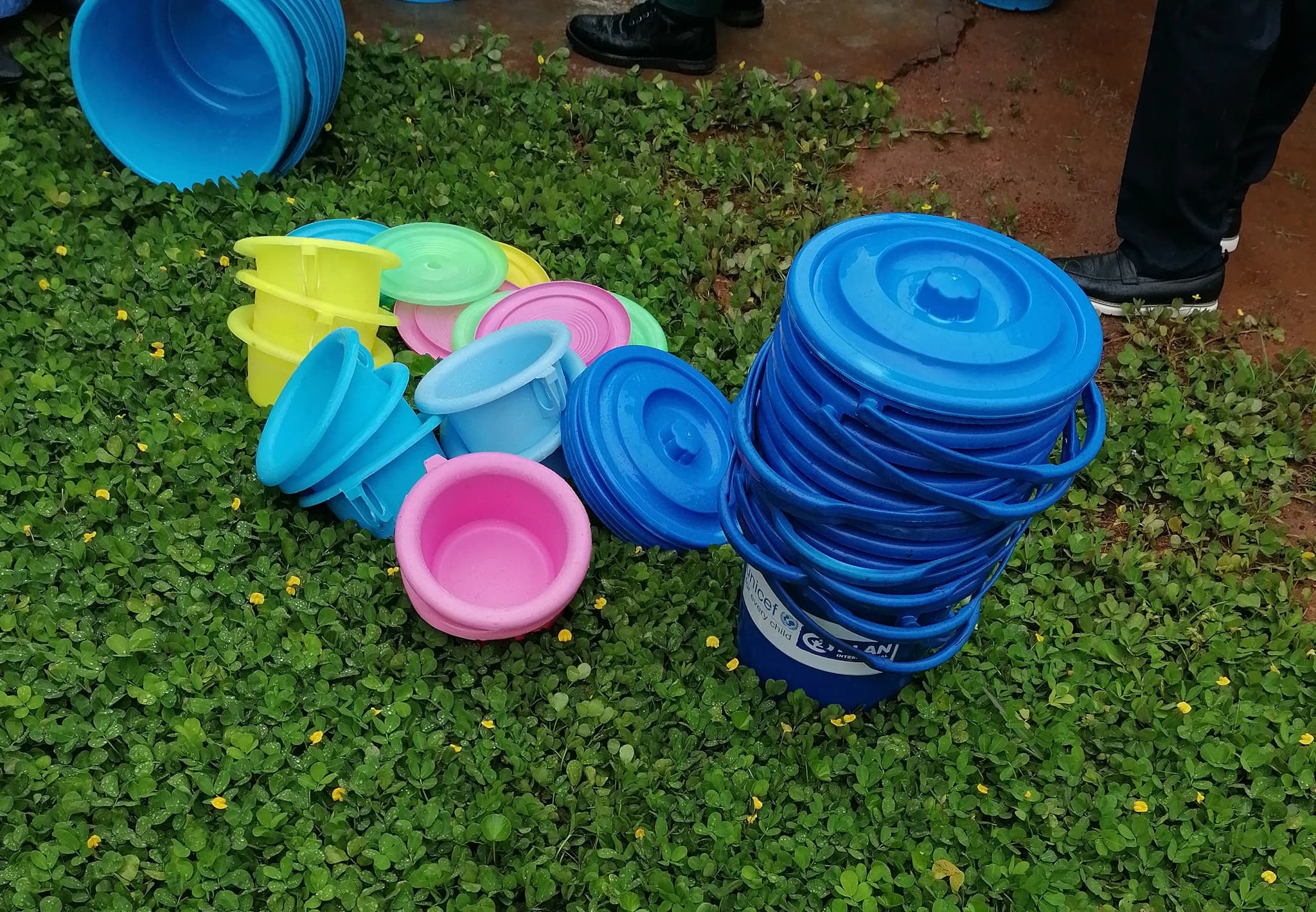
Our September 2022 distribution record describes water, sanitation and hygiene support for 58 households. The items included buckets, potties, water-treatment tablets and reusable pads.
Our annual report covers July 2021–June 2022 and includes later activity notes. We describe work on inclusive education, disability rights, home visits, access to care and livelihoods. Members contributed their time and skills, and we reviewed our work at our first annual general meeting in June 2022.